

Don’t Forget Me! Why Your Pollen Filter Is Essential for Clean Air
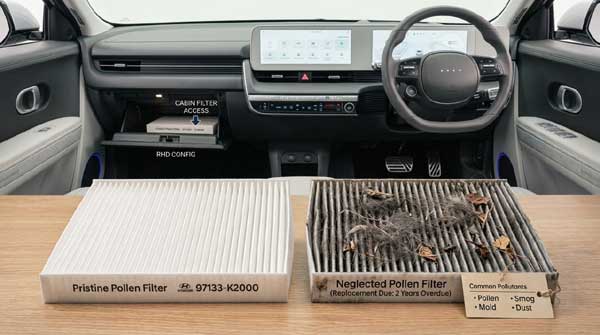
While drivers rarely forget oil changes or tire rotations, the cabin pollen filter (cabin air filter) is one of the most neglected components in vehicle maintenance. Because it is tucked away behind the glove box or dashboard, out of sight usually means out of mind.
“Don’t Forget Me! Why Your Pollen Filter Is Essential for Clean Air”
Parts Korea Kensington
However, ignoring this small part compromises your health, driving comfort, and vehicle performance.
Why Do Drivers Ignore It?
-
Hidden Out of Sight: Unlike worn brake pads that squeal or low oil that lights up the dashboard, a clogged pollen filter suffers in silence behind the dash.
-
Confusion with Engine Filters: Many car owners confuse the engine air filter (which protects the engine) with the pollen/cabin filter (which purifies the air you breathe inside).
-
Deemed “Non-Essential”: Because a dirty pollen filter won’t immediately cause an engine breakdown, it is often skipped during routine DIY maintenance.
Why Replacing Your Pollen Filter Is Essential
1. Poor In-Cabin Air Quality Your pollen filter traps dust, mold spores, smog, and fine plant pollen before it enters the cabin. Over time, a saturated filter stops trapping contaminants. In fact, air inside a vehicle with a clogged filter can become up to 6 times more polluted than the air outside, triggering severe allergies, sneezing, and respiratory irritation while driving.
2. Strain on the HVAC Blower Motor A filter thick with dirt restricts airflow through your heating and air conditioning system. This forces the AC blower motor to run much harder to cool or heat the cabin, leading to premature motor wear and costly climate-control repairs.
3. Persistent Musty Odors Trapped moisture, organic debris, and pollen inside an old filter create the ideal environment for mold and bacteria growth. Turning on your AC delivers a stale, musty smell directly into the cabin.
4. Poor Demisting & Reduced Visibility Restricted airflow prevents your defroster from clearing condensation off the windshield efficiently. On rainy or cold mornings, a clogged pollen filter makes it significantly harder to keep windows clear, creating a major safety risk.
When Should You Replace It?
As a rule of thumb, replace your pollen filter every 15,000 km to 20,000 km (or once a year). If you live in high-pollen environments, travel on dusty roads, or suffer from seasonal allergies, consider swapping it out every spring.